




























In today’s fast-paced world, finding time for exercise can often feel like an insurmountable challenge. Yet, amid the hustle and bustle, High Intensity Interval Training, or HIIT, has emerged as a beacon of hope for those seeking efficient and effective workouts. HIIT promises not only to fit into our busy schedules but also to deliver remarkable health benefits. But what exactly makes HIIT so effective? In this article, we will delve into the science behind this popular fitness trend, exploring how short bursts of intense exercise followed by brief recovery periods can lead to significant improvements in cardiovascular health, metabolic function, and overall fitness. By understanding the physiological mechanisms at play, you’ll gain insights into why HIIT might just be the workout solution you’ve been searching for, all while feeling empowered and informed about your fitness choices.
Understanding the Physiological Impact of HIIT on Your Body
High Intensity Interval Training, commonly known as HIIT, is not just a buzzword in the fitness industry; it’s a scientifically backed workout method that can transform your body in numerous ways. By alternating between intense bursts of activity and fixed periods of less-intense exercise or rest, HIIT stimulates various physiological changes that can lead to improved health and fitness levels.
One of the most significant impacts of HIIT is its effect on cardiovascular health. This training method can enhance heart health by increasing the heart’s ability to pump blood and improving circulation. During the intense phases of HIIT, your heart rate skyrockets, pushing your cardiovascular system to adapt and become more efficient. This can lead to reduced blood pressure, improved cholesterol levels, and a lower risk of heart disease.
- Increased Metabolic Rate: HIIT can elevate your metabolism for hours after exercise, leading to increased calorie burn even at rest.
- Improved Insulin Sensitivity: This type of training can help your muscles use glucose more effectively, which is beneficial for blood sugar control.
- Enhanced Fat Oxidation: HIIT encourages the body to use fat as a primary energy source during and after workouts.
Moreover, HIIT can significantly impact muscle strength and endurance. Unlike steady-state cardio, HIIT can help preserve and even build lean muscle mass, which is crucial for maintaining a healthy metabolism. The intense intervals challenge your muscles, promoting growth and increasing strength over time. This dual benefit of burning fat while building muscle makes HIIT a powerful tool for achieving a toned physique.
| Physiological Impact | HIIT Benefit |
|---|---|
| Cardiovascular Efficiency | Enhanced heart function and reduced disease risk |
| Metabolic Rate | Increased calorie burn post-exercise |
| Muscle Adaptation | Improved strength and endurance |

Exploring the Psychological Benefits of High Intensity Interval Training
High Intensity Interval Training, commonly known as HIIT, is not only a powerful physical workout but also a potent enhancer of mental well-being. Recent studies suggest that engaging in HIIT can lead to significant psychological benefits, transforming not just your body but also your mind. Here’s how HIIT can positively influence your mental health:
- Reduces Stress and Anxiety: The intense bursts of activity in HIIT trigger the release of endorphins, the body’s natural mood elevators. This hormonal surge can help alleviate feelings of stress and anxiety, leaving you with a sense of calm and happiness post-workout.
- Boosts Cognitive Function: Engaging in high-intensity workouts has been linked to improved brain function, including enhanced memory and focus. This is particularly beneficial in a fast-paced world where mental agility is key.
- Improves Sleep Quality: Regular HIIT sessions can lead to better sleep patterns, helping you fall asleep faster and enjoy deeper, more restorative sleep.
| Psychological Benefit | Description |
|---|---|
| Stress Reduction | Endorphin release helps mitigate stress levels. |
| Cognitive Enhancement | Increases memory and focus through improved brain function. |
| Sleep Quality | Promotes deeper and more restorative sleep cycles. |
By integrating HIIT into your routine, you not only sculpt your body but also foster a more resilient and positive mindset. Embrace the transformative power of HIIT for a holistic approach to health and well-being.

Crafting the Perfect HIIT Routine for Your Fitness Goals
Creating a HIIT routine that aligns with your fitness aspirations involves a strategic blend of exercises and rest periods. High Intensity Interval Training is all about maximizing effort in short bursts, followed by brief recovery periods, which helps boost cardiovascular health and burn calories efficiently. Here’s how to tailor a HIIT plan that suits your individual goals:
- Identify Your Objectives: Whether you’re aiming for weight loss, muscle gain, or enhanced endurance, understanding your goals will shape your routine’s structure.
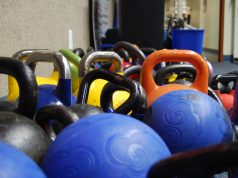
- Choose the Right Exercises: Opt for a mix of aerobic and anaerobic activities. Consider exercises like sprinting, burpees, or kettlebell swings for varied intensity.
- Set the Interval Times: Beginners might start with a 1:2 ratio (e.g., 30 seconds of work, 60 seconds of rest), while advanced users can experiment with 1:1 or even 2:1 ratios.
| Goal | Work/Rest Ratio | Exercise Examples |
|---|---|---|
| Weight Loss | 1:1 | Jumping Jacks, Mountain Climbers |
| Muscle Gain | 2:1 | Push-ups, Squats |
| Endurance | 1:2 | Running, Cycling |
Remember, the key to a successful HIIT workout is to push yourself during the work periods while ensuring adequate rest to avoid injury. Adjust your routine based on progress and feedback from your body, and most importantly, enjoy the journey towards achieving your fitness goals.

Essential Tips for Safe and Effective HIIT Workouts
Embarking on a high-intensity interval training journey can be exhilarating, but ensuring safety and effectiveness is paramount. To get the most out of your HIIT sessions, consider these essential tips:
- Warm-Up Thoroughly: A proper warm-up prepares your body for the intensity of HIIT, reducing the risk of injury. Spend at least 5-10 minutes on dynamic stretches and light cardio to get your heart rate up.
- Listen to Your Body: Pushing through pain is not advisable. If something feels off, take a break or modify the exercise. Your body’s signals are crucial in preventing overtraining and injuries.
- Prioritize Form Over Speed: It’s tempting to rush through exercises, but maintaining proper form is key to avoiding injuries and maximizing benefits. Slow down if needed and focus on technique.
To further guide you, here’s a simple comparison of the recommended HIIT durations for different fitness levels:
| Fitness Level | Duration |
|---|---|
| Beginner | 15-20 minutes |
| Intermediate | 20-30 minutes |
| Advanced | 30-45 minutes |
Remember, recovery is as important as the workout itself. Ensure adequate rest between sessions to allow your muscles to heal and grow stronger. Happy training!