






























Pregnancy is a beautiful journey, marked by profound changes and new beginnings. However, it often comes with its own set of physical challenges, one of the most common being back pain. As your body adapts to nurture new life, the added weight and shifting center of gravity can place considerable strain on your back, leading to discomfort and even distress. It’s important to know that you’re not alone in this experience, and there are effective ways to alleviate the discomfort. In this article, we will explore practical, safe, and empathetic strategies to help you manage back pain during pregnancy, allowing you to focus more on the joys of this remarkable time. Whether you’re a first-time mom or adding to your growing family, these tips are designed to support you and your changing body, ensuring a more comfortable and enjoyable pregnancy journey.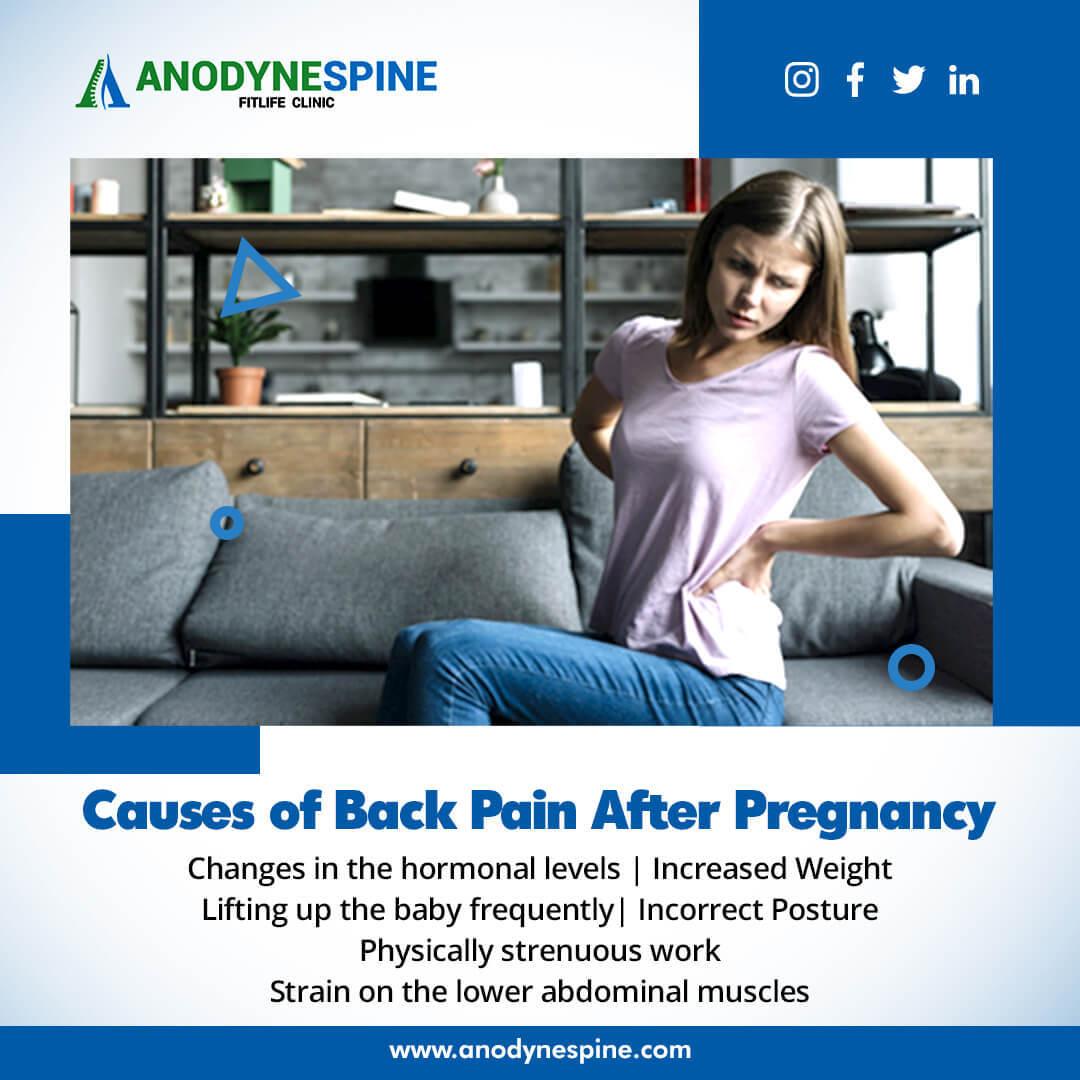
Understanding the Causes of Back Pain During Pregnancy
Pregnancy is a beautiful journey, but it often comes with its share of physical challenges, including back pain. Understanding the underlying causes can empower expectant mothers to manage discomfort effectively. During pregnancy, a woman’s body undergoes significant changes that can lead to back pain, primarily due to increased weight, hormonal changes, and shifts in posture.
- Weight Gain: As the baby grows, additional weight is placed on the spine, altering the center of gravity and increasing strain on the back muscles.
- Hormonal Changes: The body releases a hormone called relaxin, which loosens the joints and ligaments in the pelvic area to prepare for childbirth. This can sometimes lead to instability and pain in the back.
- Posture Changes: The expanding belly can lead to changes in posture, often causing women to lean back to maintain balance, which can result in back pain.
Below is a simple table highlighting some common factors contributing to back pain during pregnancy:
| Factor | Description |
|---|---|
| Weight Gain | Additional pressure on the spine |
| Hormonal Effects | Loosening of joints and ligaments |
| Postural Adjustments | Changes in balance and alignment |
Safe and Effective Exercises to Alleviate Discomfort
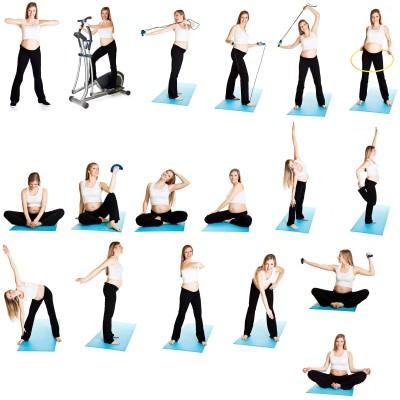
Pregnancy can bring about a variety of physical changes, some of which may lead to back pain. Fortunately, there are several safe and effective exercises that can help alleviate discomfort during this special time. These exercises are designed to strengthen the muscles supporting your back, improve flexibility, and promote overall well-being.
- Pelvic Tilts: This exercise can help strengthen your abdominal muscles and reduce back strain. Stand with your back against a wall, keeping your feet hip-width apart. Gently tilt your pelvis forward and flatten your back against the wall. Hold for a few seconds and release. Repeat 10-15 times.
- Cat-Cow Stretch: Get on all fours with your hands directly under your shoulders and knees under your hips. Inhale deeply, arching your back and lifting your head and tailbone towards the ceiling (Cow position). Exhale and round your back, tucking your chin and pelvis (Cat position). Repeat this flow for 5-10 breaths.
- Side-Lying Leg Lifts: Lie on your side with your head supported by your arm or a pillow. Keep your legs straight and lift the top leg slowly, keeping your core engaged. Lower the leg back down with control. Perform 10-15 repetitions on each side to strengthen your hips and reduce back pressure.
| Exercise | Benefit |
|---|---|
| Pelvic Tilts | Strengthens core muscles |
| Cat-Cow Stretch | Increases spinal flexibility |
| Side-Lying Leg Lifts | Enhances hip strength |
Remember to listen to your body and avoid any movements that cause discomfort. Incorporating these exercises into your routine can not only help alleviate back pain but also contribute to a healthier pregnancy journey.

Ergonomic Tips for Everyday Activities
- Prioritize Good Posture: Maintaining proper posture is crucial during pregnancy. Stand tall with your shoulders relaxed and back straight. When sitting, choose chairs that support your lower back, and consider using a small pillow for extra lumbar support.
- Lift Smartly: Avoid heavy lifting whenever possible. If you must lift something, use your legs rather than your back. Bend at your knees, not your waist, and keep the object close to your body as you rise.
- Choose Supportive Footwear: Opt for shoes with good arch support and cushioning. High heels can shift your center of gravity and strain your lower back, so it’s best to wear flat or low-heeled shoes.
When engaging in daily activities, consider the following table for guidance on maintaining ergonomic alignment:
| Activity | Ergonomic Tip |
|---|---|
| Sleeping | Sleep on your side with a pillow between your knees to reduce pressure on your back. |
| Standing | Use a footrest to elevate one foot and reduce strain on your lower back. |
| Sitting | Keep your feet flat on the floor and avoid crossing your legs to promote circulation. |
These strategies can help alleviate back pain and improve your overall comfort during pregnancy. Remember to listen to your body and adjust your activities as needed. If pain persists, consult a healthcare professional for personalized advice.

Holistic Approaches to Manage and Prevent Pain
Embracing holistic methods can offer profound relief and prevention of discomfort during pregnancy. These approaches prioritize the mind-body connection and can be seamlessly integrated into your daily routine. Here are some gentle and effective techniques:
- Yoga and Stretching: Gentle prenatal yoga helps in improving flexibility and reducing tension in the lower back. Focus on poses that open up the hips and stretch the spine.
- Massage Therapy: Prenatal massages can alleviate muscle tension and promote relaxation. Always ensure the therapist is trained in prenatal care.
- Aromatherapy: Essential oils like lavender and chamomile can be used in diffusers to create a calming environment, aiding in pain management.
Nutrition and hydration play a crucial role in maintaining a healthy pregnancy and can help in managing pain. Consider incorporating the following into your diet:
| Nutrient | Benefits | Sources |
|---|---|---|
| Calcium | Supports bone health and reduces cramps. | Leafy greens, dairy products |
| Magnesium | Relaxes muscles and alleviates tension. | Nuts, seeds, whole grains |
| Omega-3 Fatty Acids | Reduces inflammation and supports joint health. | Fatty fish, flaxseeds |
Incorporating these holistic strategies not only helps in managing pain but also enriches the overall pregnancy experience, promoting a sense of well-being and tranquility.