




























As we navigate the intricacies of aging, many of us will encounter the challenges that accompany sensory changes, particularly vision and hearing loss. For seniors, these changes can profoundly impact their daily lives, affecting everything from communication and mobility to emotional well-being. Understanding and addressing these challenges is crucial for fostering a supportive environment that empowers seniors to maintain their independence and quality of life. This article aims to provide practical strategies and compassionate insights on how to effectively support seniors facing vision and hearing loss. By embracing empathy and knowledge, we can help create a world where every senior feels valued, understood, and capable of thriving despite sensory limitations.
Creating a Safe and Accessible Home Environment
Transforming a living space to accommodate seniors with vision and hearing challenges involves thoughtful adjustments that prioritize safety and accessibility. Start by enhancing lighting throughout the home. Ensure rooms are well-lit, using adjustable lamps and nightlights to reduce shadows and glare. For those with hearing impairments, consider installing visual alert systems for doorbells, phones, and alarms, which can flash or vibrate to signal attention.
- Contrasting Colors: Use contrasting colors for walls, furniture, and appliances to help differentiate between objects and spaces.
- Textured Surfaces: Add textured strips to stairs and other potential hazards to provide tactile cues.
- Clear Pathways: Keep floors clutter-free and use furniture arrangements that provide clear, unobstructed pathways.
| Feature | Modification |
|---|---|
| Lighting | Install motion-sensor lights |
| Flooring | Non-slip mats and rugs |
| Sound | Visual alert devices |
Consider incorporating smart home technology that can be controlled via voice commands, making daily tasks more manageable. Devices like smart thermostats and virtual assistants can ease communication and enhance independence. Additionally, regularly reviewing and updating these adjustments is crucial as needs evolve, ensuring a supportive environment that adapts to changing circumstances.
Enhancing Communication with Assistive Technologies
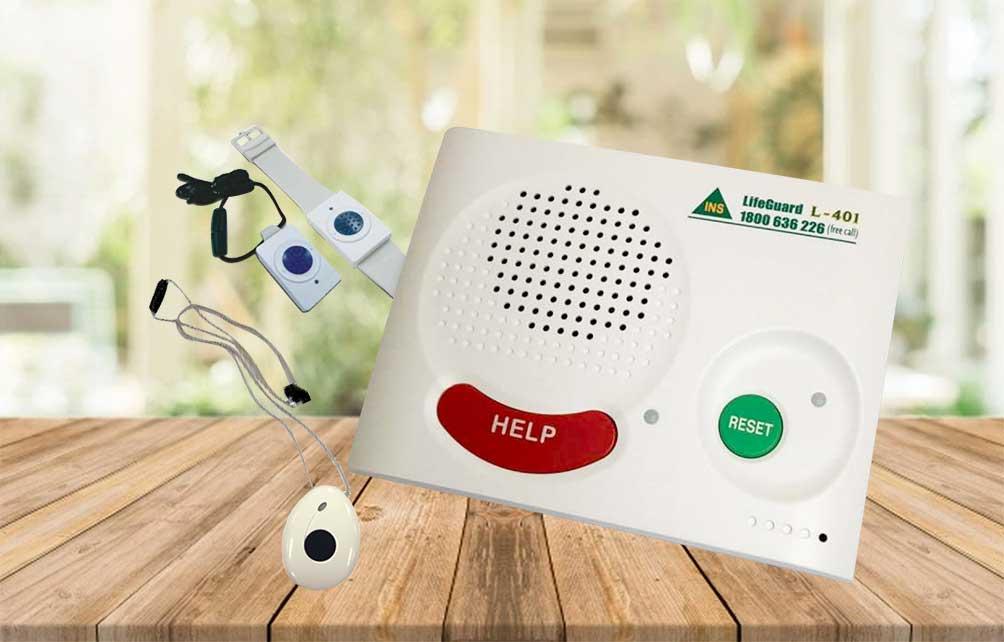
Supporting seniors with vision and hearing loss requires thoughtful integration of assistive technologies that cater to their unique needs. These tools not only empower them but also foster a sense of independence and confidence. Consider the following approaches to enhance communication:
- Text-to-Speech and Speech-to-Text Software: These applications can help bridge the gap between spoken and written communication. They allow seniors to listen to text documents and emails or transcribe their spoken words into text, reducing the barriers posed by traditional reading and writing.
- Screen Magnifiers and Readers: For those with visual impairments, screen magnifiers can enlarge text and images, while screen readers can vocalize on-screen content. These tools can be customized for different levels of vision loss, providing a tailored experience.
- Hearing Amplifiers and Visual Alerts: Devices such as personal hearing amplifiers can enhance sound clarity, while visual alert systems can notify users of phone calls or doorbells through flashing lights or vibrations.
| Technology | Benefit |
|---|---|
| Video Relay Services | Enables sign language users to communicate via video calls with interpreters. |
| Bluetooth-Enabled Hearing Aids | Seamlessly connect with phones and other devices for clearer sound. |
By integrating these assistive technologies, we can create a more inclusive environment that respects and supports the communication preferences of seniors with sensory impairments.

Engaging in Activities that Foster Connection and Well-being
Creating a sense of community and well-being for seniors with vision and hearing loss can be achieved through thoughtful activities that prioritize accessibility and engagement. Begin by organizing small group gatherings that encourage social interaction. Opt for activities like tactile art projects, where participants can feel and create using different textures and materials, or audio-enhanced storytelling sessions that use amplified sound systems or hearing loops to ensure everyone can participate fully.
- Tactile Art Projects: Use clay, textured paper, or fabric to create art pieces.
- Audio-Enhanced Storytelling: Employ devices that amplify sound for clearer listening experiences.
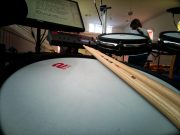
- Interactive Music Sessions: Incorporate instruments that can be played by touch, like drums or maracas.
To further support these activities, consider using assistive technology and tools. For example, large-print books with accompanying audio versions can provide a dual sensory experience. It’s also beneficial to set up vibrant lighting that enhances visibility without causing glare, paired with comfortable seating arrangements to promote ease of movement and interaction. Always ensure that the environment is conducive to both listening and tactile engagement, as this fosters an inclusive atmosphere.
| Activity | Tool | Benefit |
|---|---|---|
| Art Project | Textured Materials | Stimulates Creativity |
| Storytelling | Amplified Sound | Enhanced Engagement |
| Music Session | Tactile Instruments | Encourages Participation |

Building a Supportive Community and Network
Fostering a supportive community for seniors experiencing vision and hearing loss involves understanding their unique needs and creating an environment where they feel valued and included. Here are some strategies to consider:
- Communication: Use clear, simple language and maintain eye contact. If necessary, learn basic sign language or use assistive devices to enhance communication.
- Environment: Ensure spaces are well-lit and free from obstacles. Use contrasting colors for better visibility and minimize background noise to aid hearing.
- Activities: Encourage participation in activities that are both enjoyable and accessible, such as tactile arts, music therapy, or group discussions using assistive listening devices.
Building a network of support also means connecting with professionals and organizations specializing in sensory impairments. Here is a simple guide:
| Resource | Contact |
|---|---|
| Local Senior Centers | Visit or call your community center |
| Vision and Hearing Nonprofits | Explore national organizations online |
| Healthcare Providers | Consult specialists for referrals |