


























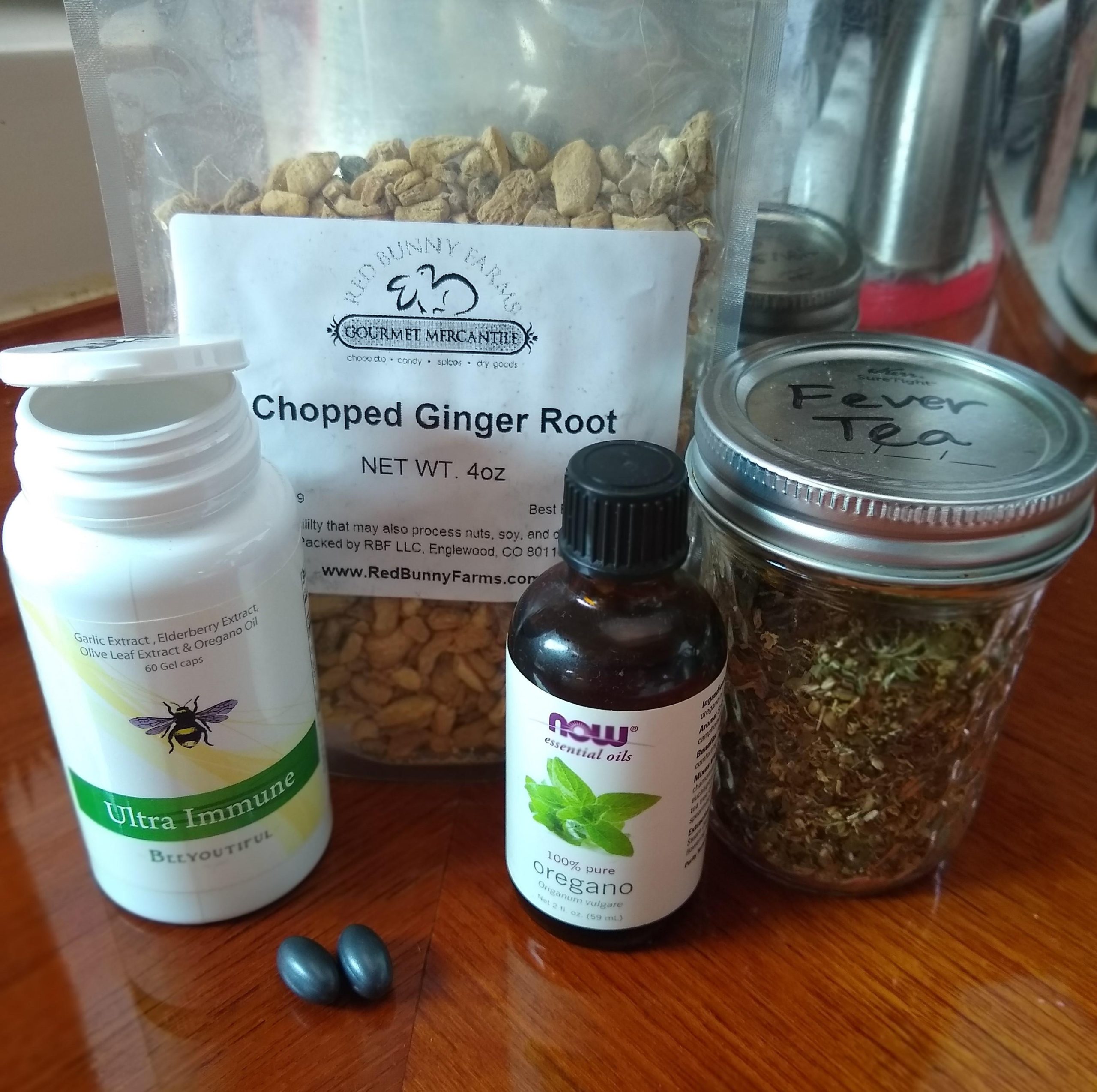
In today’s fast-paced world, where the relentless pursuit of progress often overshadows our connection to nature, the age-old wisdom of herbal remedies offers a gentle reminder of the healing power that lies within our natural surroundings. As we navigate through the complexities of modern medicine, it’s easy to overlook the potential that lies in the leaves, roots, and flowers that have been used for centuries to heal and nurture. This article, “,” invites you on a journey back to nature, exploring the profound ways in which these plant-based treatments can support our health and well-being. With an empathetic lens, we will delve into the history, benefits, and practical applications of herbal remedies, empowering you to make informed choices about incorporating these natural solutions into your life. Whether you’re seeking relief from everyday ailments or looking to enhance your overall wellness, understanding the therapeutic potential of herbal medicine can open the door to a more harmonious relationship with your body and the environment.
Understanding Herbal Remedies: A Compassionate Guide to Natural Healing
In a world that often rushes towards synthetic solutions, the gentle embrace of herbal remedies offers a return to nature’s wisdom. Herbs have been used for centuries across various cultures, not just as culinary delights but as potent healers. Understanding these natural allies involves acknowledging their unique properties and how they interact with the body. By tuning into the language of plants, we can tap into a rich pharmacy that supports our well-being holistically.
To embark on this journey, it’s essential to cultivate a relationship with these natural remedies. Here are some guiding principles to consider:
- Respect the Source: Appreciate the ecological and cultural origins of the herbs you use.
- Listen to Your Body: Herbal remedies work best when attuned to your individual needs and constitution.
- Quality Matters: Opt for organic, sustainably sourced herbs to ensure their purity and potency.
Embracing herbal remedies means inviting a compassionate approach to healing that honors both our bodies and the planet. As you explore this path, remember that each plant offers a unique synergy of benefits, waiting to be unlocked by those willing to learn its secrets.
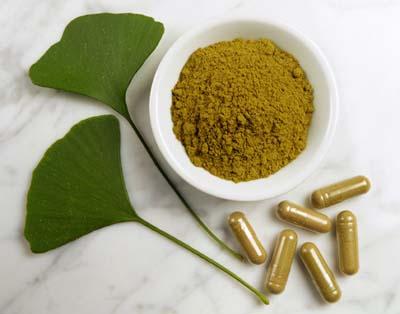
Choosing the Right Herbs: Tailored Solutions for Your Unique Needs
Understanding which herbs align with your specific health needs can be a transformative journey. Each plant offers a distinct array of benefits, making it crucial to select those that resonate with your personal health goals. Here’s a guide to help you navigate this verdant world:
- Identify Your Health Goals: Start by pinpointing what you aim to achieve. Are you looking to boost your immune system, improve digestion, or perhaps manage stress? Knowing your objectives will narrow down your options.
- Research Herbal Properties: Dive into the qualities of various herbs. For instance, chamomile is renowned for its calming effects, while ginger is celebrated for its digestive benefits.
- Consider Any Allergies or Conditions: It’s vital to ensure that the herbs you choose do not conflict with any existing allergies or health conditions. Consulting with a healthcare professional can provide added assurance.
Remember, nature’s pharmacy is vast, and there is no one-size-fits-all solution. By carefully selecting herbs that align with your individual needs, you can harness their full potential to support your well-being.
Crafting Herbal Preparations: Step-by-Step Instructions for Safe Use
Embarking on the journey of crafting your own herbal preparations is both rewarding and empowering. To ensure you harness the full healing potential of nature’s bounty safely, follow these carefully outlined steps. Safety and efficacy are paramount, so always start with the freshest ingredients and a clean workspace.
Begin by gathering your herbs, ensuring they are organically sourced to avoid any unwanted chemicals. Once you’ve selected your botanicals, thoroughly wash and dry them. Choose your method of preparation based on the type of remedy you wish to create:
- Infusions: Ideal for delicate plant parts like leaves and flowers. Simply steep in hot water for 5-10 minutes.
- Decoctions: Perfect for tougher materials such as roots and bark. Simmer gently in water for 20-30 minutes.
- Tinctures: Use alcohol or vinegar to extract and preserve active compounds. Let the mixture sit for 4-6 weeks, shaking occasionally.
Once your preparation is complete, strain it into a clean container and store it properly. Label your creations with the name and date of preparation. Remember, each herb has unique properties, so research dosages and consult with a healthcare professional if needed. With care and respect, you can safely unlock the therapeutic potential of herbal remedies.
Integrating Herbs into Your Life: Practical Tips for Everyday Wellness
Embracing herbal remedies as part of your daily routine can be a gentle yet effective way to enhance your overall well-being. Start by exploring some versatile herbs that are easy to incorporate into your lifestyle. Chamomile, for instance, is renowned for its calming properties. Consider brewing a soothing chamomile tea in the evening to help unwind after a busy day.
To seamlessly integrate herbs into your meals, experiment with culinary herbs such as basil, oregano, and rosemary. These herbs not only add flavor to your dishes but also offer health benefits. For instance, sprinkle fresh basil on salads or pasta to enjoy its anti-inflammatory properties.
- Basil: Enhances immune response and reduces inflammation.
- Oregano: Known for its antimicrobial properties.
- Rosemary: Boosts memory and concentration.
For those looking to integrate herbs into self-care routines, consider creating a simple herbal bath soak. Combine lavender and epsom salts for a relaxing bath experience that soothes muscles and calms the mind. Lavender‘s natural fragrance can also be used in essential oils or diffusers to promote restful sleep and alleviate stress.