






























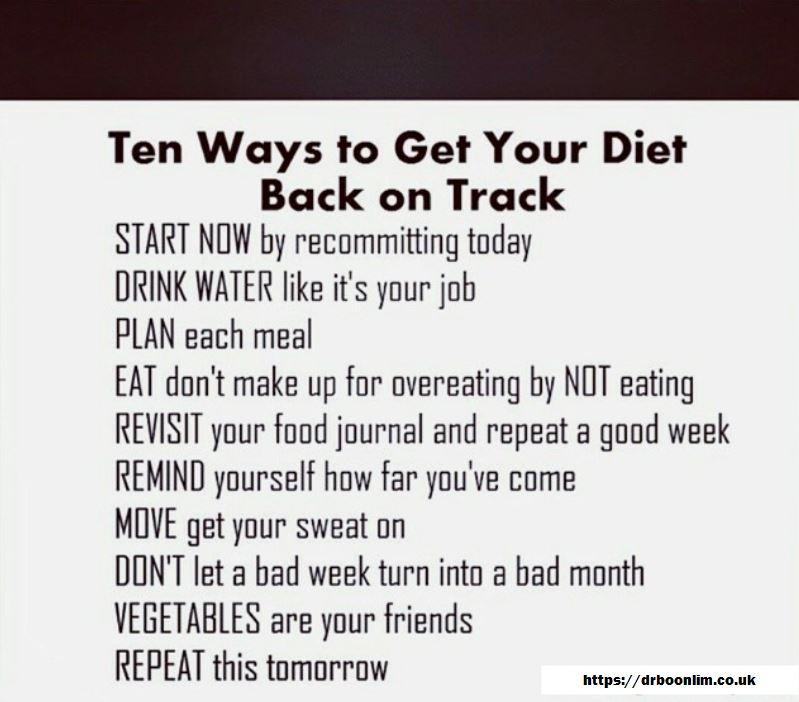
Creating a diet plan that is both nutritious and budget-friendly can often feel like an uphill battle. With the rising costs of groceries and the abundance of tempting convenience foods, it’s easy to feel overwhelmed and discouraged. However, eating well without breaking the bank is entirely achievable with the right approach and mindset. In this article, we’ll explore the best tips for crafting a diet plan that nourishes your body and respects your wallet. Our goal is to empower you with practical strategies and empathetic guidance, ensuring that healthy eating is accessible to everyone, regardless of financial constraints. Whether you’re a seasoned budget shopper or just starting out, these tips will help you create a sustainable and satisfying meal plan that aligns with both your health goals and your budgetary needs.
Understanding Your Nutritional Needs Without Breaking the Bank
Embarking on a journey to meet your nutritional needs without overspending can feel daunting, but it doesn’t have to be. Here are some practical tips to help you create a diet plan that is both nutritious and budget-friendly:
- Plan Your Meals: Take some time each week to plan your meals. Focus on using ingredients you already have and incorporating seasonal produce, which tends to be more affordable.
- Embrace Plant-Based Proteins: Consider incorporating more beans, lentils, and chickpeas into your diet. These options are not only budget-friendly but also high in protein and fiber.
- Buy in Bulk: Purchasing staples like rice, oats, and nuts in bulk can save you money in the long run. Look for stores or online options that offer discounts on larger quantities.
- Utilize Leftovers: Get creative with leftovers to reduce waste and stretch your budget. Turn yesterday’s dinner into today’s lunch by adding a few fresh ingredients.
Understanding which foods offer the best nutritional value for their cost can also help in planning your diet effectively. Here’s a simple table showcasing some cost-effective nutrient-rich foods:
| Food Item | Cost (per serving) | Nutritional Benefit |
|---|---|---|
| Oats | $0.10 | High in fiber and protein |
| Eggs | $0.20 | Rich in protein and vitamins |
| Frozen Vegetables | $0.50 | Rich in vitamins and minerals |
| Bananas | $0.15 | High in potassium and fiber |
Remember, being mindful of your choices and staying informed about food prices and nutritional values can help you maintain a healthy diet without overspending. With these strategies, you can nourish your body and keep your wallet happy.

Smart Shopping Strategies to Maximize Your Food Budget
Finding ways to stretch your food budget while maintaining a nutritious diet can be challenging, but with a few smart strategies, it’s entirely possible. Start by planning your meals around seasonal produce and store promotions. Buying fruits and vegetables in season not only ensures you get the freshest options but also helps you save money. Additionally, keep an eye out for sales on bulk items and staples like rice, beans, and pasta, which can serve as the backbone of many meals.
- Buy in Bulk: Stock up on non-perishable items like grains, canned goods, and frozen vegetables when they’re on sale. This will reduce your cost per meal.
- Embrace Meal Prep: Dedicate a day each week to prepare meals in advance. This can prevent impulsive food purchases and reduce waste.
- Utilize Leftovers: Get creative with leftovers by incorporating them into new dishes, such as turning roasted chicken into a hearty soup or a stir-fry.
| Item | Season | Best Buy |
|---|---|---|
| Apples | Fall | Farmers’ Market |
| Broccoli | Spring | Local Grocery |
| Squash | Winter | Bulk Purchase |
Meal Planning Tips for Nutritious and Affordable Eating
Balancing nutrition with affordability is a common challenge, but with a little creativity, you can enjoy healthy meals without breaking the bank. Start by focusing on whole foods, which are often more cost-effective and nutritious. Incorporate seasonal fruits and vegetables into your diet, as they are typically less expensive and at their peak in flavor and nutrients. Buying in bulk can also help reduce costs, especially for staples like grains, legumes, and nuts.
- Plan your meals around sales: Keep an eye on weekly flyers and digital coupons from local grocery stores to find the best deals on nutritious foods.
- Embrace leftovers: Cook in larger batches and repurpose leftovers for new meals, reducing waste and saving time.
- Prioritize nutrient-dense foods: Focus on foods that offer the most nutrition for your money, such as beans, lentils, eggs, and whole grains.
Here’s a simple comparison of some budget-friendly options you can incorporate into your meal plan:
| Food Item | Cost per Serving | Key Nutrients |
|---|---|---|
| Brown Rice | $0.18 | Fiber, Manganese |
| Chickpeas | $0.25 | Protein, Iron |
| Frozen Spinach | $0.30 | Vitamin K, Vitamin A |
By following these strategies and making thoughtful choices, you can create a diet plan that nourishes both your body and your wallet. Remember, a little planning goes a long way in maintaining a balanced and affordable diet.

Creative and Cost-Effective Recipes for Every Meal
Eating well on a budget is not just about pinching pennies—it’s an art form that balances nutrition, flavor, and creativity. With a little ingenuity, you can whip up delightful dishes without breaking the bank. Here are some practical tips to help you craft a delicious and affordable diet plan:
- Embrace Seasonal Produce: Purchasing fruits and vegetables that are in season can significantly cut costs. Not only are they more affordable, but they also taste better and support local farmers.
- Plan Your Meals: Create a weekly meal plan that incorporates versatile ingredients. This minimizes waste and allows you to use leftovers creatively, transforming them into new dishes.
- Cook in Bulk: Preparing meals in large quantities saves both time and money. Freeze portions for later use to ensure you always have a homemade meal ready when needed.
- Opt for Whole Foods: Processed foods often come with a hefty price tag and less nutritional value. Instead, focus on whole grains, legumes, and lean proteins, which are both cost-effective and healthy.
| Meal | Cost-Saving Ingredient | Creative Twist |
|---|---|---|
| Breakfast | Oats | Top with seasonal fruits and a sprinkle of cinnamon |
| Lunch | Lentils | Make a hearty lentil soup with leftover veggies |
| Dinner | Chicken Thighs | Roast with herbs and serve with roasted root vegetables |
With these strategies, you can enjoy nourishing meals that satisfy both your palate and your wallet. Remember, creativity is your best ally in the kitchen, and with a little planning, eating on a budget can be both fun and fulfilling.