


























In today’s health-conscious world, many individuals are re-evaluating their dietary choices, often reducing or eliminating meat for various reasons ranging from health benefits to environmental concerns. However, one common challenge that arises in this transition is ensuring adequate protein intake, a vital nutrient for maintaining muscle mass, supporting metabolic functions, and promoting overall well-being. If you find yourself navigating this journey, you are not alone, and there are plenty of nutritious and satisfying alternatives available. This article will guide you through the best ways to incorporate protein-rich, plant-based foods into your diet, ensuring you meet your nutritional needs while aligning with your lifestyle choices. Whether you’re a seasoned vegetarian or just beginning to explore meatless options, our empathetic and instructive approach aims to empower you with practical solutions and delicious ideas to help you thrive.
Exploring Plant-Based Protein Sources for Every Meal
Incorporating plant-based protein into your meals doesn’t mean sacrificing variety or flavor. In fact, there are numerous delicious options to ensure you’re getting enough protein throughout the day. Start your day with a hearty breakfast featuring protein-packed ingredients like chia seeds, which can be added to smoothies or overnight oats. Quinoa is another versatile choice, offering a complete protein profile and can be used in savory breakfast bowls or as a topping for salads.
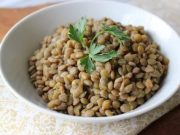
For lunch, consider whipping up a colorful buddha bowl with a mix of grains, greens, and legumes. Lentils and chickpeas are not only high in protein but also provide a satisfying texture and can be seasoned in countless ways. Pair them with vibrant veggies and a zesty dressing for a meal that’s as nourishing as it is tasty.
- Chia Seeds: Perfect for smoothies and puddings.
- Quinoa: A complete protein great for salads and bowls.
- Lentils: Versatile for soups and stews.
- Chickpeas: Ideal for salads, hummus, and roasting.
When dinner time rolls around, explore the rich flavors of tofu and tempeh. These soy-based proteins can be marinated to absorb a variety of spices and sauces, making them a delicious addition to stir-fries or grilled dishes. For a creative twist, try making a protein-rich pasta with edamame or chickpea noodles, adding an extra boost of nutrients to your evening meal.
| Protein Source | Serving Size | Protein Content |
|---|---|---|
| Chia Seeds | 2 tbsp | 4g |
| Quinoa | 1 cup cooked | 8g |
| Lentils | 1 cup cooked | 18g |
| Tofu | 1/2 cup | 10g |

Incorporating Protein-Rich Legumes and Grains into Your Diet
For those seeking to boost their protein intake without resorting to meat, legumes and grains offer a delicious and versatile solution. These plant-based powerhouses are not only rich in protein but also packed with essential nutrients and fiber. Here’s how you can seamlessly integrate them into your daily meals:
- Chickpeas: Transform chickpeas into creamy hummus, or roast them for a crunchy snack. They’re also perfect for adding to salads and stews.
- Lentils: These tiny legumes cook quickly and can be used in soups, curries, or even as a meat substitute in dishes like lentil loaf.
- Quinoa: A complete protein, quinoa can be a fantastic base for salads, bowls, or as a side dish. It’s quick to cook and easily absorbs flavors.
- Black Beans: Incorporate black beans into tacos, burritos, or blend them into a tasty bean dip.
For a balanced approach, consider combining legumes and grains in your meals to create a complete protein profile. Here’s a quick reference guide to some protein-rich combinations:
| Legume | Grain | Suggested Dish |
|---|---|---|
| Lentils | Brown Rice | Lentil Rice Pilaf |
| Chickpeas | Couscous | Chickpea Couscous Salad |
| Black Beans | Quinoa | Black Bean Quinoa Bowl |
By creatively combining these legumes and grains, you not only enrich your diet with protein but also enjoy a variety of flavors and textures, making your plant-based meals both nutritious and satisfying.

Enhancing Your Meals with Nuts, Seeds, and Dairy Alternatives
Incorporating a variety of nuts, seeds, and dairy alternatives into your diet can significantly boost your protein intake while keeping meals exciting and nutritious. These ingredients not only provide essential amino acids but also add a delightful texture and flavor to your dishes. Here are some creative ways to enhance your meals:
- Nuts: Almonds, walnuts, and pistachios can be sprinkled over salads or oatmeal for a crunchy protein punch.
- Seeds: Chia, flax, and pumpkin seeds are perfect for smoothies or as a topping for yogurt and smoothie bowls.
- Dairy Alternatives: Opt for almond milk, soy yogurt, or cashew cheese to keep your meals dairy-free while still packing a protein-rich punch.
For those looking to compare their protein sources, here’s a quick glance at some popular options:
| Nutrient Source | Protein Content (per 100g) |
|---|---|
| Almonds | 21g |
| Chia Seeds | 17g |
| Tofu | 8g |
| Oat Milk | 1g |
Experiment with these ingredients to find combinations that not only satisfy your palate but also support your dietary goals. Remember, a balanced diet rich in plant-based proteins can be both delicious and nourishing.

Crafting Balanced Meals with Protein-Packed Vegetables
Incorporating protein-rich vegetables into your meals is a delightful way to maintain a balanced diet without relying on meat. Vegetables like lentils, chickpeas, and black beans are not only rich in protein but also packed with essential nutrients and fibers that contribute to overall well-being. Consider adding these powerhouse veggies to your favorite recipes to create satisfying, nutritious meals.
- Lentils: These tiny legumes are a versatile addition to soups, stews, and salads. With approximately 18 grams of protein per cup, they can easily replace meat in many dishes.
- Chickpeas: Known for their role in hummus, chickpeas can also be roasted for a crunchy snack or tossed into a salad for an extra protein boost.
- Black Beans: With their rich, earthy flavor, black beans are perfect for tacos, burritos, or even as a base for a veggie burger.
| Vegetable | Protein (per cup) | Cooking Tips |
|---|---|---|
| Lentils | 18g | Great in soups and stews |
| Chickpeas | 15g | Perfect for roasting or in salads |
| Black Beans | 15g | Ideal for tacos or veggie burgers |
By creatively incorporating these vegetables into your meals, you can enjoy a diverse and fulfilling diet that meets your protein needs while celebrating the vibrant flavors and textures that plant-based foods have to offer.