




























Embarking on the journey to healthier eating can feel overwhelming, especially when faced with an avalanche of conflicting information and diet trends. If you’re a beginner looking to create a sustainable and nutritious diet plan, it’s important to start with a foundation of understanding and compassion for yourself. This article is designed to guide you through the initial steps of building a healthy diet plan that fits your lifestyle and personal needs. We’ll explore the essential components of nutrition, debunk common myths, and provide practical tips to help you make informed choices. Remember, transitioning to a healthier diet is not about perfection or deprivation, but about making gradual, positive changes that lead to long-term well-being. Let’s take this first step together, one mindful meal at a time.
Understanding Your Nutritional Needs
Embarking on a journey to build a healthy diet begins with understanding your unique nutritional requirements. It’s important to recognize that what works for one person may not be suitable for another. Your body’s needs are influenced by several factors, including age, gender, activity level, and health goals. Listen to your body and consult with a healthcare professional if you’re unsure where to start.
- Macronutrients: Balance is key. Ensure you’re getting the right amounts of carbohydrates, proteins, and fats.
- Micronutrients: Vitamins and minerals are essential for maintaining energy levels and overall health.
- Hydration: Never underestimate the power of water. Staying hydrated aids in digestion and energy levels.
| Nutrient | Daily Recommendation | Sources |
|---|---|---|
| Protein | 50g | Chicken, Beans, Tofu |
| Carbohydrates | 225g | Whole Grains, Fruits, Vegetables |
| Fats | 70g | Avocado, Nuts, Olive Oil |
Tip: Start by incorporating a variety of foods to cover all essential nutrients. Pay attention to portion sizes and adjust them according to your energy expenditure. This approach not only helps in meeting your nutritional needs but also keeps your meals exciting and satisfying.

Creating a Balanced Meal Plan
Crafting a meal plan that nurtures your body and soul doesn’t have to be daunting. Start by focusing on a variety of food groups to ensure you’re getting a well-rounded array of nutrients. Aim to include:
- Proteins: Think beyond meat and consider plant-based options like beans, lentils, and tofu.
- Whole Grains: Opt for quinoa, brown rice, or whole wheat pasta to keep your energy levels stable.
- Fruits and Vegetables: Incorporate a rainbow of colors to benefit from a wide range of vitamins and minerals.
- Healthy Fats: Avocados, nuts, and olive oil can enhance flavors while supporting heart health.
- Dairy or Alternatives: Consider low-fat options or plant-based milk to meet calcium needs.
To simplify your planning, here’s a sample table that could guide your daily meals:
| Meal | Components |
|---|---|
| Breakfast | Oatmeal with berries and a spoonful of almond butter |
| Lunch | Grilled chicken salad with mixed greens, cherry tomatoes, and vinaigrette |
| Dinner | Baked salmon with quinoa and steamed broccoli |
| Snacks | Greek yogurt with a handful of walnuts |
Remember, a balanced meal plan is not just about eating the right foods but also about enjoying the process of nourishing your body. Listen to your body’s needs and adjust accordingly, and don’t hesitate to experiment with new flavors and textures to keep your meals exciting and satisfying.

Incorporating Variety and Moderation
Building a healthy diet plan is not about rigid restrictions or depriving yourself of foods you love. It’s about making smart choices that promote balance and diversity in your meals. Embracing variety means including a range of different foods from all food groups. This approach ensures you receive a wide spectrum of nutrients that your body needs to function optimally. Aim to incorporate:
- Fruits and Vegetables: Opt for colorful options, as they provide a rich source of vitamins and antioxidants.
- Whole Grains: Choose whole grain bread, pasta, and cereals to increase your fiber intake.
- Lean Proteins: Include beans, nuts, fish, and poultry to ensure adequate protein intake without excess fat.
- Dairy or Dairy Alternatives: Select low-fat or fat-free options to maintain calcium levels.
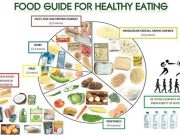
Moderation is equally important, as it allows you to enjoy your favorite treats without overindulgence. Practicing moderation involves paying attention to portion sizes and frequency of consumption. A simple way to achieve this balance is to follow the 80/20 rule, where 80% of your meals are focused on nutrient-rich foods, and 20% can include less nutritious options. Here’s a quick guide to help you visualize balanced meal planning:
| Meal Component | Example Portion |
|---|---|
| Fruits & Vegetables | Half of your plate |
| Proteins | Quarter of your plate |
| Whole Grains | Quarter of your plate |
By into your diet, you create a sustainable eating pattern that supports your overall health and well-being. Remember, every small change is a step towards a healthier lifestyle!

Staying Consistent and Mindful
Embarking on a journey towards a healthier diet can be both exciting and daunting. One of the keys to success is maintaining consistency while remaining mindful of your choices. Here are some strategies to help you stay on track:
- Set Realistic Goals: Start with small, achievable targets. Instead of overhauling your entire diet overnight, make gradual changes like incorporating more vegetables or reducing sugar intake.
- Mindful Eating: Pay attention to what you’re eating and how it makes you feel. This means savoring each bite, recognizing hunger cues, and stopping when you’re full.
- Routine is Key: Establish regular meal times to help regulate your body’s hunger signals and maintain energy levels throughout the day.
To help visualize your plan, here’s a simple table to guide your daily meals:
| Meal | Time | Components |
|---|---|---|
| Breakfast | 7:30 AM | Whole grains, protein, fruit |
| Lunch | 12:00 PM | Lean protein, veggies, healthy fats |
| Dinner | 6:30 PM | Variety of veggies, protein, whole grains |