






























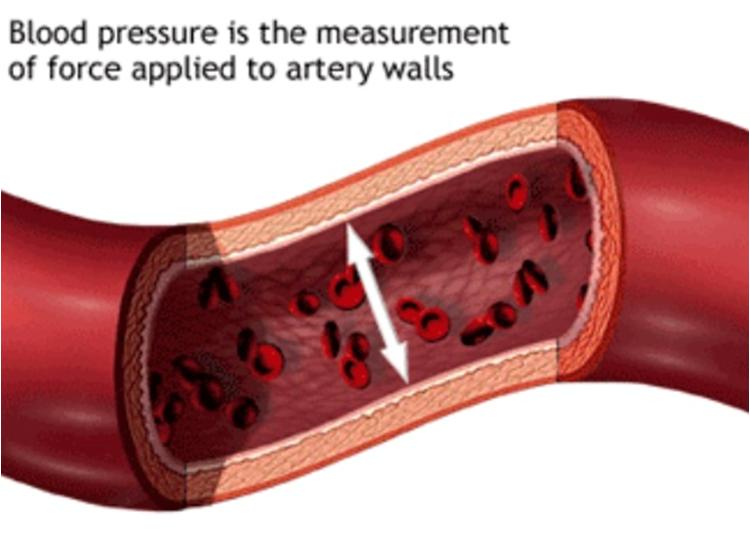
In today’s fast-paced world, keeping track of your health has never been more crucial, and monitoring your blood pressure is a fundamental part of maintaining overall well-being. Whether you’re managing a chronic condition, keeping an eye on risk factors, or simply aiming to stay informed about your health, a reliable home blood pressure monitor can be an invaluable tool. However, with a multitude of options available, finding the right one can be overwhelming. In this article, we’ll guide you through the best home blood pressure monitors on the market, helping you make an informed decision tailored to your specific needs. We’ll explore features, accuracy, ease of use, and more, ensuring you feel confident and supported on your journey to better health. Let’s navigate this essential aspect of health tracking together, so you can focus on what truly matters—your well-being.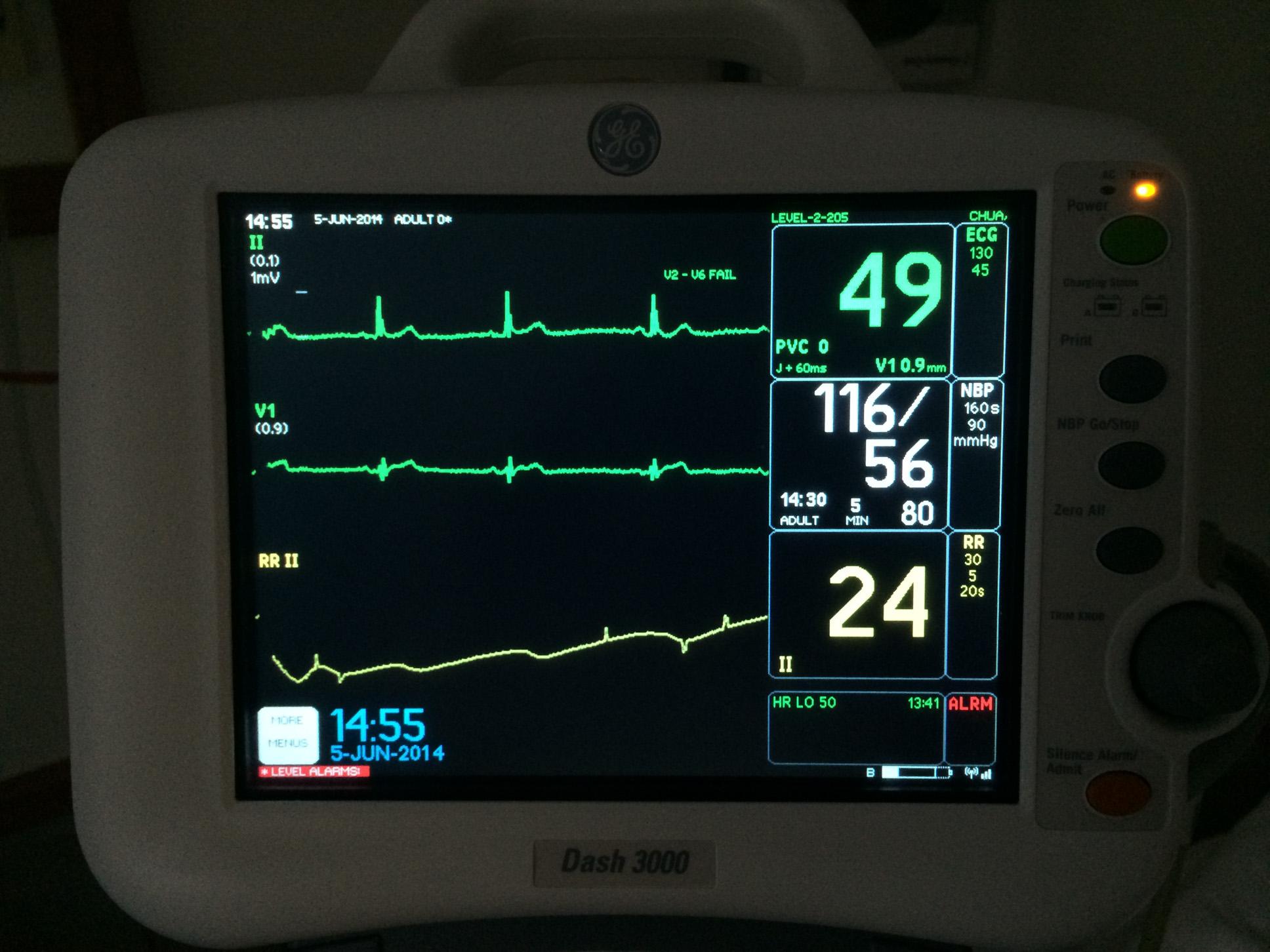
Choosing the Right Blood Pressure Monitor for Your Needs
Finding the ideal blood pressure monitor for your home involves considering several key factors that align with your personal health needs and lifestyle. Accuracy is paramount; look for devices that are clinically validated to ensure reliable readings. Ease of use is another crucial aspect, especially if you’re new to monitoring blood pressure at home. Opt for models with large, easy-to-read displays and intuitive interfaces. Some devices offer voice-guided instructions, which can be particularly helpful for those with visual impairments.
- Connectivity: Many modern monitors come with Bluetooth or Wi-Fi capabilities, allowing you to sync data with your smartphone or health apps. This feature is beneficial for tracking trends over time or sharing results with healthcare providers.
- Portability: If you travel frequently, consider a compact, battery-operated monitor that fits easily into your bag.
- Cuff size and type: Ensure the cuff fits comfortably around your arm; some models offer adjustable cuffs to accommodate different arm sizes.
| Feature | Benefits |
|---|---|
| Digital Display | Clear and easy to read results |
| Memory Storage | Track multiple readings over time |
| Multiple User Profiles | Ideal for family use |
Remember, the best blood pressure monitor is one that fits seamlessly into your daily routine, empowering you to take charge of your health with confidence and ease. Consider consulting with your healthcare provider to ensure your choice aligns with your specific health requirements.
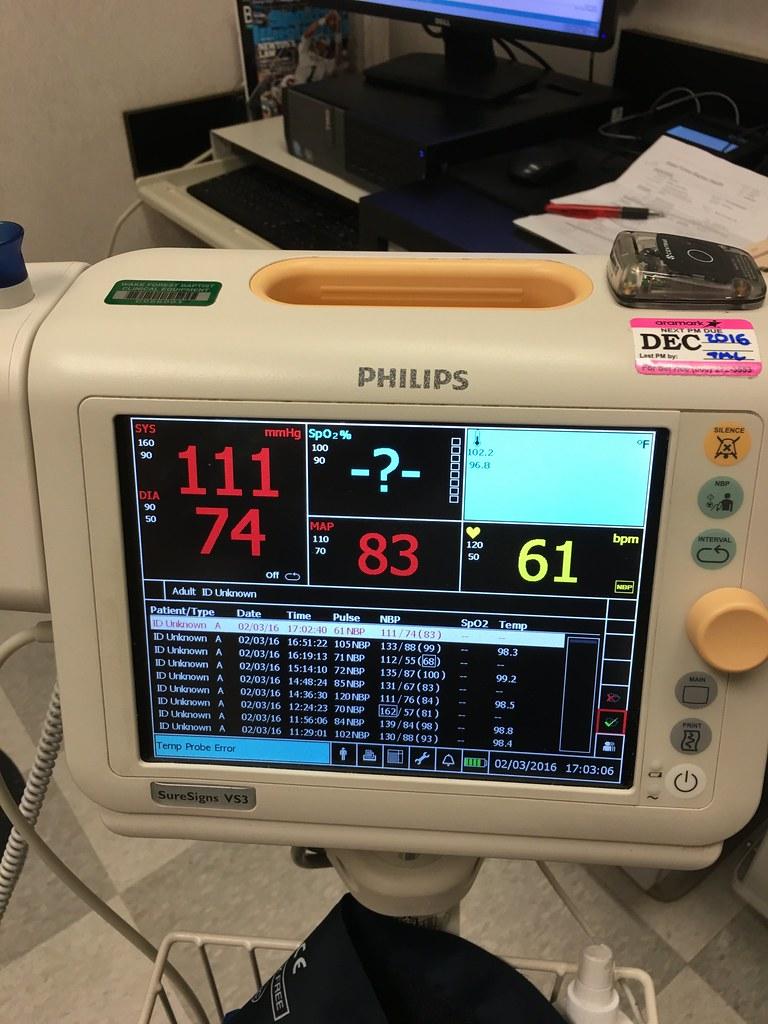
Understanding Key Features for Accurate Readings
When choosing a home blood pressure monitor, understanding its key features is crucial for obtaining precise and reliable readings. The accuracy of these devices can significantly impact your health tracking, so it’s essential to look for certain features that can enhance their performance.
- Automatic Inflation and Deflation: Monitors with automatic inflation and deflation ensure consistent pressure, reducing the likelihood of user error and providing more reliable results.
- Irregular Heartbeat Detection: Some models can detect irregular heartbeats, alerting you to potential cardiac issues early on. This feature can be particularly beneficial for individuals with known heart conditions.
- Memory Storage: Look for monitors with ample memory storage, allowing you to track your blood pressure over time. This is especially useful for sharing data with your healthcare provider.
- Cuff Size and Fit: An adjustable cuff that fits comfortably on your arm is essential. An improperly fitted cuff can lead to inaccurate readings, so ensure the device accommodates various arm sizes.
| Feature | Importance |
|---|---|
| Automatic Inflation | Ensures consistent pressure for accuracy |
| Irregular Heartbeat Detection | Alerts to potential cardiac issues |
| Memory Storage | Tracks readings over time |
| Cuff Size and Fit | Prevents inaccurate readings |
By focusing on these features, you can enhance the reliability of your blood pressure monitor, allowing for more accurate health tracking and providing peace of mind in managing your cardiovascular health.

Expert Recommendations for Reliable and Easy-to-Use Devices
When it comes to keeping track of your blood pressure at home, selecting the right monitor can make all the difference. Our experts have sifted through the options to bring you the most reliable and user-friendly devices available. Here’s what they recommend:
- Ease of Use: Look for monitors with large, backlit displays and intuitive interfaces. Features like one-touch operation can make regular monitoring a breeze.
- Accuracy: Devices validated by reputable health organizations, such as the American Heart Association, are highly recommended for their precision and reliability.
- Connectivity: Consider models with Bluetooth or Wi-Fi capabilities, allowing you to sync your readings with health apps for better tracking and analysis.
| Device | Features | Price Range |
|---|---|---|
| Omron Platinum | Bluetooth, Multi-user support, High memory capacity | $$$ |
| Withings BPM Connect | Wi-Fi, Compact design, App integration | $$ |
| QardioArm | Portable, Easy setup, Works with Apple Health | $$ |
These devices are recommended not just for their features but also for their ability to seamlessly fit into your daily routine, ensuring that monitoring your health is both effective and stress-free.
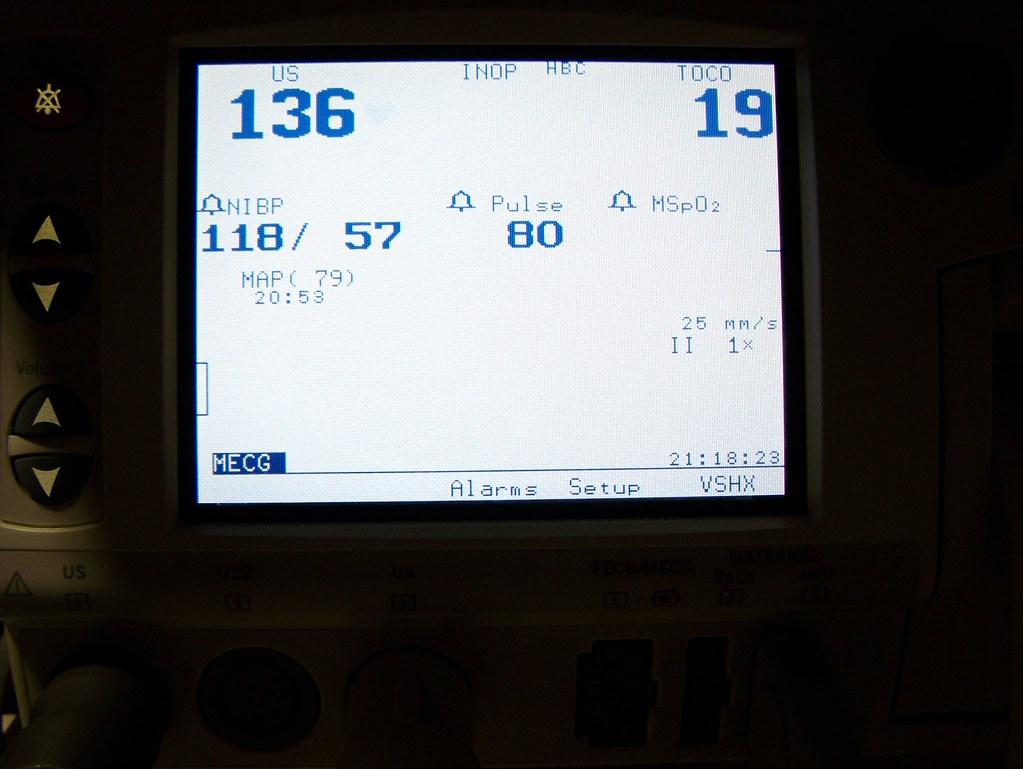
How to Maintain and Track Your Blood Pressure Effectively
Maintaining and tracking your blood pressure at home is crucial for managing your health effectively. To get the most accurate readings, it’s important to use your home blood pressure monitor correctly. Here are some tips to help you:
- Ensure you are relaxed and seated comfortably with your back supported.
- Avoid caffeine, exercise, and smoking at least 30 minutes before taking a measurement.
- Place the cuff on your bare arm, positioning it at heart level.
- Take measurements at the same time each day for consistency.
- Record your readings to track changes over time.
To effectively monitor your blood pressure trends, consider using a log or app to keep track of your readings. This can be especially helpful during doctor visits, allowing you to provide a comprehensive view of your blood pressure over time. Here’s a simple table to help you log your data:
| Date | Time | Systolic (mmHg) | Diastolic (mmHg) | Notes |
|---|---|---|---|---|
| 2023-10-10 | 8:00 AM | 120 | 80 | Feeling good |
| 2023-10-11 | 8:00 AM | 125 | 82 | After workout |
Remember, consistency is key, and by adhering to these practices, you can effectively manage your health and work towards maintaining a balanced lifestyle. Keep your healthcare provider informed of any significant changes or concerns you may have regarding your blood pressure readings.